
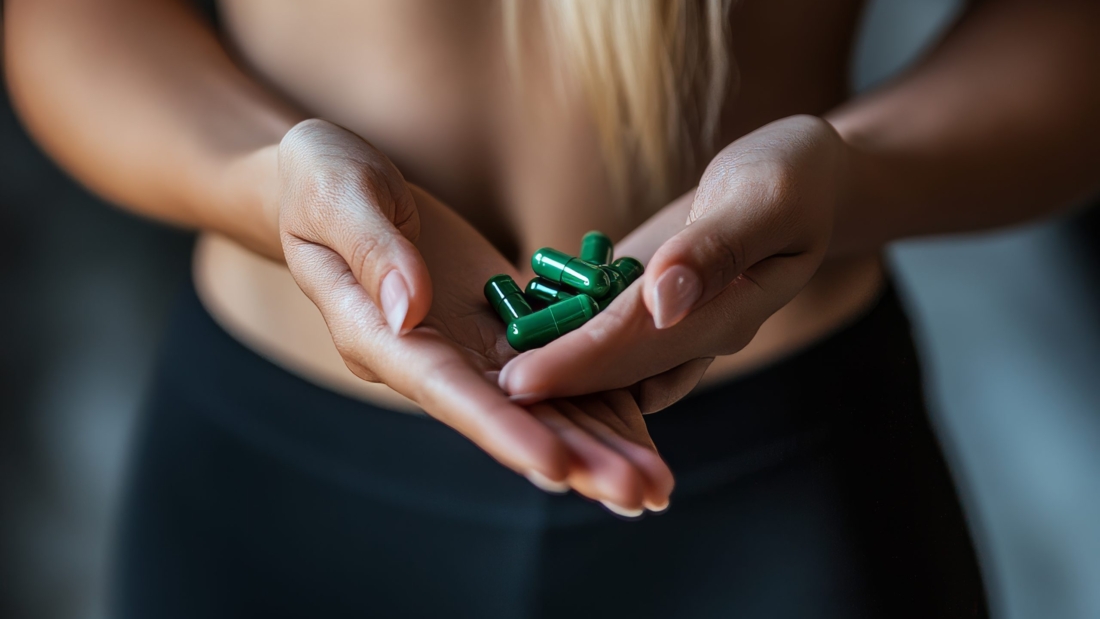
Why Athletes Stop Trusting Supplements and How Transparency Can Rebuild Confidence

Athletes stop trusting supplements mainly because they don’t work for them, and the results don’t match their expectations. Many brands today have attractive marketing claims, but the product results rarely match those claims. When you try a few similar supplements and don’t get results, you naturally feel that they aren’t useful.

Athletes don’t just refer to professionals who compete for medals in international events. If you play sports occasionally or professionally for local teams, or regularly play your favorite sport as a hobby, your nutrition deserves the same attention. Nutritional needs vary widely with individuals, their baseline health status, activity levels, lifestyle habits, and daily energy demands. Let’s explore why trusting supplements is becoming increasingly difficult.

Lack of Support for Sports Nutrition Customization

Professional athletes and elite sports teams have in-house nutrition experts who can help devise a nutritional plan and supplementation strategy down to the milliliters of water needed. The same level of support is not available for recreational athletes and gym users.

In a 2025 cross-sectional survey, even though 46.4% of gym users took supplements, only 47.3% showed sports nutrition knowledge. Without knowing how and when to get the right support through supplements, most people end up taking the wrong one at the wrong time with the wrong dosage for months. So, it doesn’t work as they expect. As a result, they don’t think supplements are helpful.

Exaggerated Marketing Claims

Health-conscious people are now interested in optimizing their nutrition. They know that their modern lifestyle doesn’t allow them to eat a healthy and balanced diet for every meal. So, they look for ways to make their meals more nutrient-dense. They learn about the use of supplements, but get carried away by enticing marketing claims.

Some brands resort to aggressive marketing and advertise using celebrity endorsements on social media. The truth is, active individuals don’t need a large supplement stack like their favorite sportsperson. There’s no one-supplement-for-all. As Katherine Zeratsky, a registered dietitian writing for Mayo Clinic Press, says, “There are no absolutes in nutrition.” What your body needs depends entirely on your routine and lifestyle, and many ingredients are actually unnecessary for recreational athletes. When you start taking supplements that you don’t need, you won’t feel a major difference and stop trusting them.

Confusing Labels

Those who shop for supplements, looking at the labels, can also get confused. The supplement will work only if it contains ingredients in scientifically studied dosages. Just because an ingredient is present, it doesn’t mean it can be absorbed and used by the body. Sometimes, the labels can also be confusing. For example, some magnesium supplement brands don’t list the actual elemental magnesium present, which is what your body needs.

An evaluation published by the McGill Office for Science and Society points out, “Multiple studies have shown that these products often have inaccurate labels, contain ingredients they shouldn’t, are missing the ingredients they should, and pose a potential safety risk”

Proprietary blends containing research-backed ingredients are even more confusing because you won’t know exactly how much of each ingredient is present in those blends. Many supplements carry the name natural and include botanicals, but they are not all natural. Organic ingredients aren’t always useful if the extracts are not standardized. When athletes choose a supplement without understanding these aspects, they feel that the supplement isn’t working for them.

How to Confidently Trust Supplements?

Alongside a healthy lifestyle and a balanced diet, supplements can be an optional strategy to enhance training, endurance, performance, and outcomes. The key lies in choosing the right supplement you actually need based on how you train, when you train, how active you are, what is your lifestyle, and the nutritional gap in your diet. Instead of asking a gym trainer, fellow gym user, or sports coach, consult with a healthcare practitioner and nutritionist to customize a diet plan and supplementation routine. Based on their recommendations, follow these tips to choose the right ones for you:

Look for transparency in labels: Check the label to ensure that every ingredient and its amount are clearly listed. A transparent label is what premium brands follow to ensure that what you see on the label is inside the bottle.

Check transparent sourcing: Look into where and how a brand gets its ingredients. High-quality companies print a batch number directly on every supplement bottle. You can type this number into their website to view an independent lab report, called a Certificate of Analysis (CoA). This document proves that your exact bottle has been tested and verified for purity, safety, and accurate ingredient amounts.

Find out third-party testing: Third-party testing means that the brand tests their products in independent laboratories, not just their own. Some brands test every single batch, while others test samples periodically.

Seek out sports certification: To ensure that your supplement doesn’t contain banned substances, look for verification seals like NSF Certified for Sport and Informed Sport. These are independent bodies that verify that the labels reflect what is actually in the product. If you are a drug-tested athlete, you should not choose products without any one of these seals.

Conclusion

There are no shortcuts when it comes to sports performance. If a supplement isn’t working for you or delivering results, it means it’s time to reevaluate. Look at your unique lifestyle demands, discuss with an expert regarding your needs, evaluate the science behind the formulation, and choose a brand that prioritizes transparency.


Why High Performers are Obsessed with Oxidative Stress

Performance at work deserves as much attention as athletic performance. Conversations about health are changing for high performers as they are shifting from step counts and sleep scores. Athletes, executives, and professionals are now more focused on stress management, particularly oxidative stress.

Oxidative stress is natural because of regular wear and tear happening in the cells. But, it’s linked to a number of wellness markers. The goal shouldn’t be about eliminating oxidative stress, but about effective ways to manage it.

Why Oxidative Stress is Actually Necessary

When you work out hard at the gym or carry on with a mentally demanding day, basically any type of physical or mental stress, your cells produce reactive oxygen species that are called free radicals. These are simply byproducts of energy use. For years, it’s been known that free radicals are bad and antioxidants are good. The general advice is to take foods rich in antioxidants like vitamins C, E, etc.

The truth is, these free radicals are signals for your body to build new mitochondria. They play an intricate role in how your cells use energy and adapt to the load it has. A 2024 review published in the Journal of Sports Medicine says the oxidative signal from exercise is essential for your body and muscles to get stronger. So, suppressing it isn’t the right approach. The key is to keep it at a balanced level.

When Oxidative Stress Becomes an Issue

Oxidative stress becomes an issue when the load on the body outpaces recovery. Not just hard training, poor sleep, constant cognitive pressure, inadequate nutrients, excessive mobile phone usage, long hours of sitting, urban lifestyle, all of this stresses your body. Free radicals then start accumulating faster than your body can naturally neutralize them. When that happens, the body isn’t getting stronger anymore. Instead, it shows up as mental drain, sluggish thinking, and the kind of fatigue that remains even if you sleep longer.

Losing sleep on one night isn’t considered a big deal by professionals when they are chasing a deadline. But a 2025 study puts that into perspective. It reports that even a single night of poor sleep measurably depletes plasma glutathione, which is your body’s primary antioxidant defense. So, after your all-nighter, you are starting your next day already with oxidative stress before you add any other load. This goes on, and stress piles up.

Why Standard Antioxidants are Misunderstood

The general advice is to load up on antioxidants like vitamin C and E to combat oxidative stress. A 2026 study points out that high-dose vitamin C and E taken close to training sessions blunted cellular signals that actually support adaptation. This can end up oversuppressing and reduce the returns from training. Aggressive supplementation at the wrong time may impact performance.

High performers aren’t looking to shut down oxidative stress entirely. Instead, they want a way to clear the excess oxidative damage and deal with their everyday stress load.

Why Astaxanthin Fits the Lifestyle of Professionals

Astaxanthin is a natural carotenoid extracted from marine microalgae and it has drawn a lot of research interest.

In a review, it was noted that astaxanthin may support mitochondrial structural integrity. More research on astaxanthin supplementation found a relationship between the compound and performance endurance.

In a small 2025 RCT, those who took four days of astaxanthin supplements showed improvement in endurance by 13 minutes and reduced muscle damage.

While these studies point towards the fact that astaxanthin may help attenuate oxidative stress, more research with standardized protocols is needed to explore more about the performance benefits.

High-Performance Recovery Strategy

A recovery strategy for high-performance individuals starts with taking care of baseline health:

A mediterranean diet rich in colorful fruits and vegetables is rich in antioxidants.

Sleep is crucial for recovery and also for the body to repair cellular damage.

For professionals looking for ways to combat excessive oxidative stress, astaxanthin can be considered as one of the options for recovery and antioxidant support.

As astaxanthin is fat-soluble, absorption may be better when taken with meals containing fats.


Listening to the Female Athlete: Why One Nutrition Strategy Doesn’t Fit Every Stage of Life

The idea of considering female athletes as smaller versions of male athletes is completely outdated. There are days when some women feel that weights feel heavier, runs feel longer, and the power snack doesn’t just work the same. Toughing it out is not the right way to train for female athletes because your body’s nutritional needs and hormonal changes are highly related. Nutritional strategies developed for men can’t be directly adapted to women.

A 2026 study published in the International Journal of Sports, Health, and Physical Education analyzed 50 female athletes between the ages of 16 to 30. It found 64% lacked adequate energy intake, only 60% met protein requirements, 50% had iron deficiency, and only 40% hydrated properly. The authors also found that women athletes didn’t take enough calcium and vitamin D to support bone health. Individualized and customized nutritional strategies, accounting for menstrual cycle fluctuations, are necessary.

Another study, The Effects of the Menstrual Cycle on Physical and Psychological Parameters in female athletes, noted that hormone fluctuations across the six phases of the menstrual cycle affected muscle strength and psychological well-being.

Throughout early follicular, late follicular, ovulation, early, mid, and luteal phases, how your body responds to exercise, nutrition, and energy needs changes. How you feel depends on where you are on your monthly cycle. For the first two weeks, you may feel stronger and have more energy. But, in the final week before your period, your body naturally tires out quicker and workouts may feel harder. Knowing this, you can plan your training.

At the same time, there’s no blanket strategy to take specific foods at specific times of the cycle to boost performance. What matters is consistent nutrition throughout the day, specific additions before, during, and after workouts, and maintaining optimal nutrition for the whole month.

Get the Basic Nutrition Right

The most important aspect that hinders the performance of female athletes is Low Energy Availability (LEA). If the total daily or monthly calorie intake drops lower than what the body needs to support basic life functions, as well as exercise, reproductive health is impacted. For women, Relative Energy Deficiency in Sports (REDS) impacts both performance and hormonal health. To ensure adequate energy availability, time your meals relative to the exercise.

The biggest mistake active women make is under-eating. High levels of activity naturally increase energy demands, and intake of sufficient carbohydrates is essential. Protein needs increase for active women as they progress through different life stages. For example, during menopause, natural hormonal changes mean the body requires more protein and specific amino acids to maintain lean muscle mass and strength. Some women opt for protein supplements with EAAs and BCAAs to meet the protein requirements. A good amount of energy intake should come from healthy fats through fatty fish, nuts, seeds, and avocados, while limiting the intake of saturated and trans fats.

Focus on Hydration

Maintaining proper fluid balance is crucial for women because dehydration of more than 2% of body weight can impact performance. Hydration should begin before exercising and during exercise; the intake must match sweat loss rates. It depends on the timing of the day, intensity of exercise, environment, and how much you sweat during the exercise. Sports drinks and electrolyte supplements can be useful for proper hydration. For recovery post exercise also, sufficient fluid intake is necessary.

Supplement Smartly

Experts recommend a food-first approach to get all macro and micro nutrients from whole foods, fruits, vegetables, and lean meat. At the same time, some peer-reviewed studies point out that supplementing smartly based on individual needs can help with performance. For example, some women optimize their diet along with creatine monohydrate supplements to train for high-intensity short-duration exercise capacity. Caffeine is also a common choice to improve alertness and reduce perceived exercise effort during sprint performance. Micronutrients such as iron, vitamin D, and calcium support the health of female athletes and individual needs vary. Clinical assessment and professional evaluation can help personalize the supplementation for active women across different ages.

Conclusion

There’s no single nutritional plan that works for a female athlete at every stage of her life. What actually helps is a simple strategy: eat enough to cover training and hormonal health together. Closing the energy intake gap supports performance, recovery, and long-term health. Instead of focusing on individual components of nutrition, timing the carb intake, taking adequate protein based on activity, and hydrating throughout the day matter more for energy availability. If you want to choose supplements, choose those formulated based on real scientific evidence and customized for women of your age.

Evidence-Based Sports Nutrition for High-Performance Athletes

As Olivia Morgan, RD, a sports nutrition expert at Mass General Brigham, noted, nutrition is a key part of athletic performance. And high-performance athletes already know it. They tend to be health-conscious by nature, paying close attention to whether they’re eating enough to meet their body’s needs on both training and non-training days. Athletes competing at a professional or serious amateur level understand what’s at stake without the right nutrients: performance drops, injuries become more frequent, and recovery slows down.

The biggest gains in sports performance still come from the fundamentals: adequate carbohydrate availability, diet composition, nutrition timing, and recovery. Supplements can’t replace any of that. But layered on top of a well-managed routine, targeted supplements can move the needle, and for high-performance athletes, even a marginal improvement can matter.

Which Sports Nutrition Supplements are Useful for Athletes?

A review published in Frontiers in Sport and Exercise Nutrition, 2025 makes clear there’s no single approach that works for every athlete. How effective a supplement is depends on the individual, the sport, and the specific dosing protocol behind it, which is why a nutrition plan only works if it’s personalized rather than generic. A few ingredients have solid research behind them:

Caffeine for Endurance Athletes

Caffeine’s effect on performance is one of the most studied relationships in sports nutrition, and for endurance athletes, it’s one of the better-supported ergogenic aids. In a 2026 review of randomized clinical trials, performance improvements in endurance events are often noted at a dosage of 3-6 mg/kg, particularly when taken 40-60 minutes before exercise. At higher doses, around 9 mg/kg, researchers noted adverse effects.

To avoid these side effects and ensure consuming precise amounts, caffeine supplements, such as those from Pure Encapsulations, offer a standardized dose in a single serving, which takes the guesswork out of dosing. For athletes, caffeine may help lower the perceived effort and muscle fatigue during a session while sharpening focus.

Beta Alanine for Repeated Surge Athletes

Beta alanine may help by buffering muscle burn, essentially letting athletes hold their top speed longer before fatigue sets in. A 2026 review in the Journal of the International Society of Sports Nutrition turned up an interesting detail: taking beta alanine in smaller amounts spread across the day, rather than one large dose, appears to support better power outcomes during intense training blocks.

If you’re sourcing it, beta-alanine supplements from brands like Thorne and NOW Foods carry independent third-party certification, NSF Certified for Sport and Informed Sport, respectively, so you can trust that what’s on the label is what’s in the bottle.

Creatine for Mixed-Sport Athletes

Creatine usually comes up in conversations about strength and power training, but a 2026 review in Nutrients looked specifically at its role for endurance and mixed-sport athletes. The takeaway was that creatine is not a blanket endurance booster. Instead, the authors found that it benefits athletes in intermittent, explosive anaerobic sports where short, intense bursts of power matter most.

Top brands like Thorne, Klean Athlete, and Metagenics offer creatine supplements in easy-to-consume powder form. All Klean Athlete products are NSF Certified for Sport.

Conclusion

The ingredients we’ve highlighted above target a different demand, such as sustained focus, reducing perceived effort, delaying muscle fatigue during repeated efforts, and power output in short, explosive bursts. Which one makes sense for you depends on your sport, your training phase, and how your body responds, which is exactly why no single stack works for every athlete. Because individual response varies, consult with a healthcare professional before adding anything new to your routine.

What Are Chelated Minerals? Why Form Matters for Absorption

Minerals play essential roles throughout the body, supporting everything from energy production and immune function to muscle, nerve and brain health. Magnesium alone, for example, acts as a cofactor in more than 300 enzymatic reactions.

Because the body cannot produce minerals on its own, they must come from food or, in some cases, supplements. However, not all mineral supplements behave the same way in the body. The form a mineral comes in can influence how well it is absorbed and used. This is why you may see terms like magnesium glycinate, zinc picolinate, or iron bisglycinate on supplement labels.

These forms are known as chelated minerals. But what exactly does that mean, and why might it matter when choosing a supplement?

Why Mineral Absorption Matters

Minerals support a wide range of essential functions throughout the body, so getting enough each day is important. However, the body can only benefit from the minerals it can absorb and use effectively.

When choosing a mineral supplement, it is easy to assume that a higher number on the label means it’s a better product. But the reality is a little more nuanced than that.

Supplement labels often show the elemental mineral. This refers to the actual amount of the mineral itself, such as magnesium, iron or zinc, rather than the total weight of the compound it is attached to.

This can be quite misleading at first glance. A higher elemental amount does not automatically mean the mineral will be better absorbed. The body still needs to be able to release, transport and use that mineral effectively.

Suboptimal mineral intake is also relatively common. For example, magnesium intake is frequently reported to fall below recommended levels in many populations, while iron deficiency remains one of the most common micronutrient deficiencies worldwide, particularly among women of reproductive age.

Why Minerals Are Hard to Absorb

For a mineral to be used by the body, several steps must happen during digestion. It first needs to be released from the food or supplement it came from. It then needs to stay dissolved as it travels through the small intestine before being transported across the intestinal wall into the bloodstream.

At each stage, this process can be disrupted. How well a mineral is absorbed can be influenced by several factors, including:

Digestive health
Stomach acid levels
Interactions with other nutrients
The form of the mineral used

Emerging research also suggests the gut microbiome may play a role, although this area is still developing .

Because so many factors influence mineral absorption, the form matters just as much as the dose. A supplement may look impressive on the label, but that does not always mean it will be well absorbed. This is where chelation may offer an advantage.

What Does ‘Chelated’ Mean?

In supplements, minerals need to be attached to another molecule to remain stable and available for absorption during digestion. In chelated minerals, that carrier is often an amino acid, but it may also be another organic compound, such as an organic acid.

The term chelated comes from the Greek word for ‘claw’. It describes how the carrier molecule binds tightly to the mineral, helping to stabilise it as it moves through the digestive tract.

How Chelation Supports Absorption

Chelation may support absorption in several ways:

Feature
Chelated Minerals
Non-Chelated Minerals

Structure
Bound to an organic compound, often an amino acid
Simple mineral salts such as oxide or carbonate

Stability
Designed to support stability during digestion
May be more reactive in the digestive tract

Bioavailability
May remain more available for uptake
More likely to bind with compounds such as phytates, becoming less available for uptake

Efficiency
May be used more efficiently during digestion
May leave more unabsorbed mineral behind

Tolerance
Often better tolerated
May be more likely to cause digestive discomfort

In simple terms, chelated minerals are often used because they are designed to help keep minerals stable and support absorption.

Common Chelated Mineral Forms and What They’re Used For

Once you understand what chelation means, supplement labels become much easier to interpret. One helpful way to identify the form of a mineral is to look at the second word in the ingredient name. For example, terms such as glycinate, malate or taurate usually refer to the compound the mineral has been paired with.

You may also notice the words glycinate and bisglycinate being used interchangeably. Bisglycinate means the mineral is bound to two glycine molecules, while glycinate is often used as a shortened version of the same name. In practice, magnesium glycinate and magnesium bisglycinate often refer to the same type of chelated mineral form.

Here are some of the most common chelated mineral forms you may come across:

You may also see minerals listed in non-chelated forms, usually presented as simple salts such as magnesium oxide, calcium carbonate, ferrous sulfate or magnesium chloride.

Non-chelated forms often provide a higher elemental amount per gram on the label and can still be effective, but they may be less well absorbed and less well tolerated. Chelated forms may provide less elemental mineral per gram but are often chosen because they are easier to absorb and gentler on digestion.

For example, magnesium oxide is known to be relatively poorly absorbed compared with other forms. If a large portion remains in the digestive tract, it can draw water into the intestine, which is why these forms may cause loose stools in some people. For this reason, many supplements use chelated forms of magnesium, such as magnesium glycinate or magnesium malate.

Understanding these names can make supplement labels much easier to interpret.

Choosing a Quality Mineral Supplement

When choosing a mineral supplement, it can help to look beyond the number on the label. As this article has explored, absorption depends on more than the elemental amount provided. The mineral’s form, how it behaves during digestion, and how well it is tolerated can all affect its absorption. This means that, rather than choosing the product with the highest dose, it is often more useful to look for a well-formulated supplement that uses a suitable mineral form. Chelated forms are often chosen for this reason, as they are designed to be stable, more readily absorbed, and gentle on digestion.

Turmeric for Joint Comfort: Why Your Body Takes Time to Get Going

Do mornings feel different now? Does it take a while for your body to get going? Maybe your knees creak as you go downstairs, or your back and hips feel stiff. Morning aches are a common experience that can become more noticeable with age. If this sounds familiar, read on to discover the possible causes and how a humble spice can help make mornings easier.

What causes joint stiffness in the morning?

Feeling stiff and creaky in the morning can be caused by changes in joint tissues while we sleep. These include:

Less blood flow: lying still for hours compresses joint tissues and slows down circulation.

Less lymph flow: lymph is the fluid that takes waste products out of cells. Unlike blood, which the heart pumps round the body, lymph can only move when we do.

Dehydration: hours of sleep can affect the synovial fluid that keeps joints lubricated.

Natural day/night rhythms: your body’s chemical messengers naturally shift overnight and may affect how your joints feel in the morning.

What is turmeric and how does it support joint comfort?

Turmeric is a tropical plant native to southern Asia. It has a long history of use in traditional practices to manage inflammation. The root looks similar to ginger root (and turmeric is part of the ginger family) but is a much brighter yellow. It’s often used fresh and is also dried and ground to form turmeric powder.

Turmeric is packed with active components called curcuminoids that provide a host of health benefits. The most potent of these is curcumin.

The role of curcumin in joint health

Clinical studies show that curcumin from turmeric can block the actions of inflammatory markers and protect joint cells (chondrocytes) from damage. One study comparing curcumin with the non-steroidal anti-inflammatory drug Diclofenac for knee osteoarthritis found that:

94% of the people taking curcumin and 97% of the people taking Diclofenac saw an improvement of at least 50% in their arthritis symptoms.
None of the people taking curcumin needed treatment for gastric side effects, but 28% of those taking Diclofenac did.

While results like this are encouraging, it’s important to remember that not every turmeric product contains a meaningful amount of curcumin.

Why standardised curcuminoids matter

The amount of curcumin in each batch of turmeric root varies wildly, in the same way that not every orange contains the same amount of vitamin C. Because of this, a simple turmeric supplement may contain very low levels of curcumin. This is why standardised curcuminoids matter so much.

In a standardised turmeric supplement, there’s a guaranteed amount of active curcumin in every capsule. The strength will be clearly stated on the label so you can rely on each dose giving you the same level of potency.

Turmeric and ginger – a powerful duo for joint comfort and mobility

Turmeric and ginger are part of the same botanical family. They’re often found together in joint care supplements because of their synergistic actions. Turmeric helps to control inflammation, while ginger aids digestion and provides antioxidant protection.

Why piperine improves turmeric absorption

Piperine from black pepper is often used to aid the absorption of curcumin and other nutrients because of how it affects the gut lining. Research shows that piperine increases the permeability of the gut wall and stimulates the production of proteins that increase surface absorption in the small intestine.

How turmeric supports everyday movement

Turmeric and its active compound curcumin support joint comfort by reducing inflammation in joint tissues and protecting joint cells from damage.

Taken alongside ginger for extra joint protection, and black pepper to aid absorption, turmeric and curcumin are a great option to support everyday movement and mobility.

Who may benefit most from turmeric for joint comfort?

Turmeric may be of benefit if you have morning joint stiffness, wear-and-tear arthritis (osteoarthritis), Rheumatoid arthritis, or any other kind of joint pain and discomfort.

If you are pregnant, breastfeeding, or taking any kind of prescription medication we recommend you speak to your healthcare provider before using turmeric and curcumin. Turmeric can interact with certain medications including blood thinners and Type 2 diabetes medication.

When and how to take turmeric for best results

Turmeric is best taken during or after a main meal. Curcumin, the active compound in turmeric, is fat soluble and is digested alongside fats from the meal. For maximum benefit, follow the recommended dosage and take for at least 12 weeks.

Why consistency matters with joint support supplements

Unlike prescription drugs that get to work straight away, botanical supplements like turmeric and curcumin naturally take a little longer to work. It’s important to be consistent with taking them every day as the benefits accumulate over time. Taking a capsule once or twice a week won’t have the same positive effect as a regular, daily dose.

Signs You May Need More Magnesium

How often do you feel tired, low, or a bit run down? Do you need a boost of something – vitamin C perhaps, or iron? The extra spark you’re looking for could be magnesium. This essential mineral unlocks hundreds of enzyme reactions. Everything from energy production and muscle function to bone and hormone health relies on it. So let’s explore some of the signs that you may need more magnesium and look at the best ways to supplement your intake.

Magnesium – more than just bone health

Magnesium is well known for contributing to bone health by aiding calcium uptake but it’s also key to:

Energy-yielding metabolism.
Normal muscle function.
Psychological wellbeing.
Electrolyte balance.
Protein synthesis.
Normal function of the nervous system.
Normal cell division.

Because it’s integral to so many areas of health, low magnesium intake can show up in a variety of ways.

Signs you might need more magnesium

Low energy: magnesium contributes to normal energy release and the reduction of tiredness and fatigue. If you’re not getting enough magnesium in your diet, you might feel it in your energy levels.

Muscle cramps and twitches: normal muscle function relies on magnesium. If your intake is low, muscles may feel tighter or more prone to cramping, especially at night. Even the small muscles around your eyes rely on magnesium — if you’re not getting enough you might notice them twitching more than usual.

Difficulty getting to sleep: magnesium supports healthy sleep patterns via its contribution to the normal function of the nervous system. A diet that’s low in magnesium may affect your ability to fall asleep easily.

Ongoing stress: the nervous system influences how we respond to stress. Ongoing challenges can mean an increased need for magnesium and other nutrients that support your stress response.

Constipation: magnesium contributes to normal muscle function, including in the digestive tract which is one long muscular tube. If your magnesium intake is low, things may slow down a bit.

How magnesium supports energy

Magnesium is central to energy production by being a co-factor in enzymes that turn the food we eat into energy.

This process is called glycolysis. It involves glucose from carbohydrates being broken down by magnesium-dependent enzymes to generate ATP (adenosine triphosphate), the energy currency that fuels cells.

A diet that’s low in magnesium can compromise energy production and lead to tiredness and fatigue.

Stress, mood, and magnesium levels

Magnesium contributes to normal psychological function and nervous system activity, both of which are involved in how we respond to daily stress. One of the ways it does this is through enzymes involved in the production of serotonin, the neurotransmitter that influences mood, stress, and emotional wellbeing.

The link between magnesium and sleep quality

As well as regulating emotions, serotonin is the precursor to melatonin, the hormone that helps you wind down at night and fall asleep. This conversion of serotonin to melatonin relies on several nutrients including vitamin B5, vitamin B6, and magnesium.

Magnesium may also support sleep quality through its interactions with GABA (gamma amino butyric acid) receptors in the brain. This helps down-regulate nervous system activity and promote a sense of calm and relaxation.

One last point: good sleep depends on being able to relax your muscles properly. It’s impossible to sleep with cramps or restless legs! By supporting normal muscle function, magnesium helps muscle fibres to deeply relax, so you can enjoy restful, restorative sleep.

Who is most likely to be low in magnesium?

Magnesium levels are affected by a number of factors including low dietary intake (highly processed foods are typically low in magnesium), medications, and absorption issues.

People who may benefit from additional magnesium include those with:

A low intake of magnesium. Diets that lack plenty of green leafy vegetables, wholegrains, nuts, and seeds, are likely to be very low in magnesium.
Prescription medications that interfere with magnesium absorption.
Gastrointestinal conditions that impact magnesium absorption.

Magnesium may also be beneficial if you are looking to support:

Blood pressure and cardiovascular health.
Mental and emotional wellbeing.
Metabolic health.
Muscle function and nervous system health.
Restful sleep.
Energy levels.

The best forms of magnesium and how to choose

Like most mineral supplements, magnesium is available in several different forms. But it can be hard to know which one to choose. Is it best to go for oxide or glycinate? Buffered or chelated?

We’ve made this decision easy for you by offering only 100% fully chelated magnesium as either taurate, malate, or glycine.

Fully chelated magnesium means the elemental magnesium is bound to an organic, soluble carrier molecule such as taurine or malic acid. There’s no sneaky magnesium oxide hidden in the formula, and no other additives. Just pure chelated magnesium with the highest rate of absorption and bioavailability.

The carrier molecule also has an important role to play in how a magnesium supplement works. Taurine, malic acid, and glycine have health properties of their own which makes it easier to choose the right product for your needs:

Magnesium taurate: ideal for heart health, restful sleep, and energy support. Our Magnesium Taurate is the strongest supplement available in the UK and is endorsed by esteemed cardiologist Dr. Sanjay Gupta.

Magnesium malate: choose this one to optimise muscle function and energy levels.

Magnesium glycinate: both magnesium and glycine support the nervous system, making this a good option for mood balance, energy, and sleep support.

How Your Liver Affects Your Energy and Hormones

When it comes to raising energy, it’s easy to think of quick pick-me-ups like coffee and energy drinks. But how often would you think about your liver?

It’s the same with hormonal symptoms. There are plenty of vitamins and herbs aimed at hormone balance, but would you think about liver health?

The liver is one of the hardest-working organs in your body. It’s much more than just a detox organ, it also stores fat-soluble vitamins, produces bile, filters blood, and metabolises macronutrients for energy. And yet we often don’t make the connection between liver health, energy, and hormones.

The liver’s role in energy production

The liver plays a central role in energy levels by closely monitoring blood glucose (glucose being the main source of fuel for energy production).

When blood glucose levels rise after a meal, your liver takes some of this sugar and stores it as glycogen. Then, when blood glucose drops low, it releases the glycogen back into the bloodstream.

It can also metabolise proteins to be used for energy when glucose isn’t readily available. Plus, bile produced in the liver absorbs the fat-soluble nutrients involved in energy regulation.

How your liver helps regulate hormones

Hormones are processed in the liver through two detoxification pathways called Phase 1 and Phase 2. Phase I makes old hormones and toxins more water-soluble, while Phase II binds them to a carrier molecule, ready for excretion in bile.

Because the liver is so central to hormone detoxification, liver health is intricately linked to hormonal conditions like endometriosis, pre-menstrual syndrome (PMS), and the symptoms associated with perimenopause and menopause.

How modern life puts strain on the liver

Modern life is tough on the liver. Stress, poor food choices, alcohol, and medications add to its workload. When the liver is nutrient-depleted and over-burdened with toxins, it struggles to cope. Fatigue, sluggish digestion, nausea, skin breakouts, and hormonal symptoms can all be signs that your liver needs some support.

Nutrients and botanicals to support your liver naturally

So how can we lend a hand to the hard-working liver?

Let’s start with cruciferous vegetables. Broccoli, kale, cabbage, rocket, and other vegetables in the Brassica family contain compounds called glucosinolates that assist the liver detox pathways. They’re also packed with B vitamins, vitamin C, magnesium, and carotenoids – key nutrients for Phase I detoxification support.

Artichokes have been shown to support bile flow and cholesterol balance and increase the activity of one of our most important liver antioxidant enzymes – glutathione peroxidase.  Okra, beetroot, asparagus, and aubergine are known to enhance the binding of bile acids which in turn supports cholesterol balance and toxin excretion

You can amplify the benefits of these vegetables even more by adding turmeric. Renowned for its anti-inflammatory actions, turmeric also has a modulating effect on the Phase I detoxification enzymes in the liver.

One herb has been used for hundreds of years to support liver health, and that’s milk thistle (Silybum marianum).

The active compounds in milk thistle collectively known as silymarin are a mixture of different chemicals called flavonolignans. Research shows that silymarin can:

Protect liver cells from damage.
Lower inflammation
Stimulate bile flow.
Support liver detoxification pathways.

Liver-supporting foods and herbs such as milk thistle are often used in seasonal cleansing routines in spring and autumn but they are suitable at any time of year, whenever your liver needs a helping hand.

Lifestyle tips for a healthy liver

Alongside foods and herbs, try these lifestyle tips for a healthy liver:

Aim to drink at least 1.5l of water a day to aid bile flow and flush out toxins.
Minimise alcohol as much as possible. Swap to botanical alternatives like ginger switchel instead.
Enjoy daily movement and exercise. This doesn’t have to be a long gym session, small pockets of exercise  known as “snackercise” (snacking on exercise!) are just as good. Research shows that exercise can improve liver function markers which reflect better liver health [6].
Aim to be asleep by 11pm at the latest. According to Traditional Chinese Medicine, the hours between 11pm and 3am are when the gallbladder and liver are most energetically active and we need to be resting to allow this to happen.

When to consider liver support

If you’re experiencing symptoms such as sluggish energy levels, nausea, slow digestion, difficulty digesting fatty foods, skin breakouts, or hormonal issues like pre-menstrual symptoms, it could be time to focus on your liver. Bring in more liver-loving foods like beetroot, green vegetables, and turmeric, and consider adding milk thistle for extra support.

One Mineral, Many Goals: Why Magnesium Needs Differ Across Life Stages

When you look at supplement advice, you will see generic statements like take a standard daily dose to address a deficiency and experience the changes. But everybody’s different, and your nutrient needs change based on your age, lifestyle, activity level, and specific stage in your life.

Demands for crucial elements like magnesium change every day based on how much you sweat, your hormonal levels, how much stress you are experiencing, and your lifestyle. More than knowing how much magnesium you need to take, you may have to look at much your daily routine uses up magnesium. This can help you find the support you need. Let’s explore how the needs vary across athletes, women, elderly individuals, and busy professionals.

Athletes and Training Needs

A comprehensivereview in the Res. Soc. Dev. journal that explored various studies on athletic performance and magnesium found that the mineral may support performance parameters, but supplementation must be tailored to individual needs. Athletes train their muscles hard and the contraction and relaxation efficiency is crucial for performance. When calcium signals contraction, magnesium signals relaxation. If magnesium availability falls down, recovery and sleep may be impacted.

Different athletes also have different needs based on their training schedule. For example, weight class sports like wrestling, boxing, martial arts, etc add to the pressure because athletes in these cases follow a strict diet with fluid restriction, which can impact their intake of magnesium.

Women and Life Stages

Women go through various changes in their bodies every month based on their menstrual cycle. The hormonal levels vary and they can impact several aspects of health. Astudy published in Nutrients says that female sex hormones like estrogen influence magnesium absorption and homeostasis throughout the menstrual cycle. The continuous fluctuation in hormonal levels in women emphasizes the need for women-specific dietary customization of magnesium for maintaining metabolic and bone health balance.

As women navigate through puberty, pregnancy, childbirth, peri-menopause, menopause, and post-menopausal stages their magnesium requirements change.

Older Adults and Magnesium Levels

A clinical datastudy in Nutrients tracking mineral absorption explored aging and magnesium. As we age, our natural digestion and absorption processes slow down. This results in lower nutrient uptake, including magnesium absorption from the diet. Also, food intake in elderly individuals is also lower. Food intake and absorption limit the amount of magnesium available. For older adults, more magnesium is excreted via urine.

All these factors impact how much magnesium is actually available. Further, when aging individuals have other chronic conditions or take other medications, it may also interfere with magnesium absorption and availability.

Busy Professionals

Areview mapping the stress-susceptibility feedback loop explored the connection between stress and magnesium. It was identified that a vicious circle emerges in individuals who are under chronic stress. Stress may increase magnesium loss, as studies consistently show decreased magnesium levels in individuals with high stress levels. In turn, magnesium deficiency may make the body more susceptible to stress. It can also affect sleep quality.

Busy professionals are constantly chasing deadlines, switching between tasks, and finding it challenging to balance work and home life. Magnesium is involved in the body’s natural stress response, but a high burn rate makes the nervous system highly sensitive to stress, and it may disrupt deep sleep as well.

In atrial published in 2025, Magtein supplements were given to participants for 6 weeks. The trial measured cognition and sleep, and also self-reported sleep quality and emotional well-being. The data showed improvements in brain cognitive age, working memory, and reaction time. Participants reported better sleep, but objective data were not significant.

While magnesium supplements can’t eliminate work pressure, they may be useful to support cognitive resilience and sleep integrity.

How to Match Individual Life Stages Needs with Magnesium Form?

As people across life stages use magnesium in varied ways, the supplementation routine must be customized.

Athletes: When they lose more magnesium through sweat and urinary excretion, their priority is recovery speed. Magnesium forms like malate may support cellular energy production and recovery.

Women: Dealing with shifts in magnesium demand due to varying hormone levels, their priority is stable magnesium levels and skeletal health resilience. Magnesium glycinate is one of the popular chelated magnesium forms that may support calmness and bone strength.

Older adults: They face absorption issues and magnesium loss through urine, and their priority shifts to cognitive function, better sleep, and bone strength. Forms like magnesium glycinate or citrate are generally gentle on the stomach and can be absorbed more effectively.

Busy professionals:Their work exposes them to constant stress, which makes them look for sleep and cognitive support. Magnesium L-Threonate is a well-researched magnesium form associated with cognitive function, sleep, and stress hormone regulation.