
Do mornings feel different now? Does it take a while for your body to get going? Maybe your knees creak as you go downstairs, or your back and hips feel stiff. Morning aches are a common experience that can become more noticeable with age. If this sounds familiar, read on to discover the possible causes and how a humble spice can help make mornings easier.
What causes joint stiffness in the morning?
Feeling stiff and creaky in the morning can be caused by changes in joint tissues while we sleep. These include:
Less blood flow: lying still for hours compresses joint tissues and slows down circulation.
Less lymph flow: lymph is the fluid that takes waste products out of cells. Unlike blood, which the heart pumps round the body, lymph can only move when we do.
Dehydration: hours of sleep can affect the synovial fluid that keeps joints lubricated.
Natural day/night rhythms: your body’s chemical messengers naturally shift overnight and may affect how your joints feel in the morning.
What is turmeric and how does it support joint comfort?
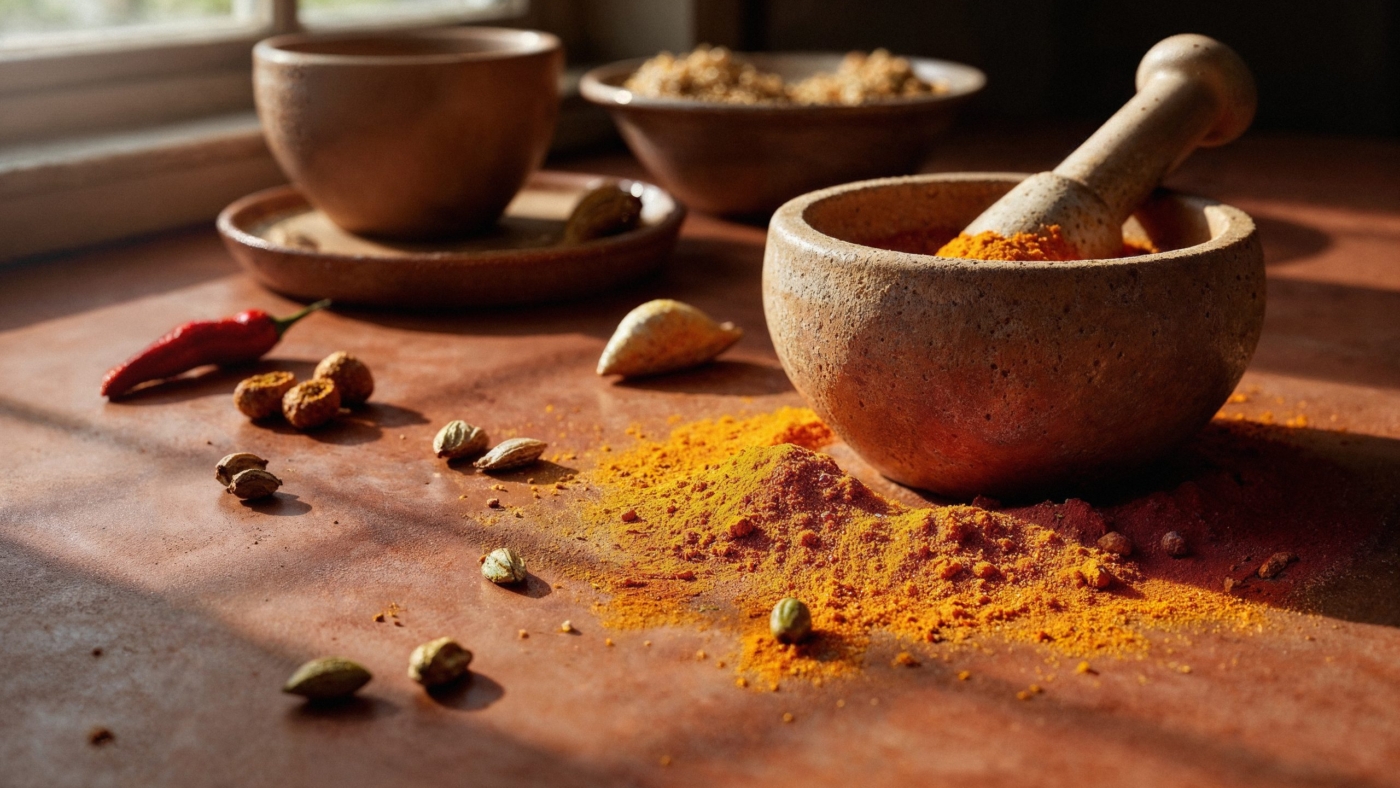
Turmeric is a tropical plant native to southern Asia. It has a long history of use in traditional practices to manage inflammation. The root looks similar to ginger root (and turmeric is part of the ginger family) but is a much brighter yellow. It’s often used fresh and is also dried and ground to form turmeric powder.
Turmeric is packed with active components called curcuminoids that provide a host of health benefits. The most potent of these is curcumin.
The role of curcumin in joint health
Clinical studies show that curcumin from turmeric can block the actions of inflammatory markers and protect joint cells (chondrocytes) from damage. One study comparing curcumin with the non-steroidal anti-inflammatory drug Diclofenac for knee osteoarthritis found that:
94% of the people taking curcumin and 97% of the people taking Diclofenac saw an improvement of at least 50% in their arthritis symptoms.
None of the people taking curcumin needed treatment for gastric side effects, but 28% of those taking Diclofenac did.
While results like this are encouraging, it’s important to remember that not every turmeric product contains a meaningful amount of curcumin.
Why standardised curcuminoids matter
The amount of curcumin in each batch of turmeric root varies wildly, in the same way that not every orange contains the same amount of vitamin C. Because of this, a simple turmeric supplement may contain very low levels of curcumin. This is why standardised curcuminoids matter so much.
In a standardised turmeric supplement, there’s a guaranteed amount of active curcumin in every capsule. The strength will be clearly stated on the label so you can rely on each dose giving you the same level of potency.
Turmeric and ginger – a powerful duo for joint comfort and mobility
Turmeric and ginger are part of the same botanical family. They’re often found together in joint care supplements because of their synergistic actions. Turmeric helps to control inflammation, while ginger aids digestion and provides antioxidant protection.
Why piperine improves turmeric absorption
Piperine from black pepper is often used to aid the absorption of curcumin and other nutrients because of how it affects the gut lining. Research shows that piperine increases the permeability of the gut wall and stimulates the production of proteins that increase surface absorption in the small intestine.
How turmeric supports everyday movement
Turmeric and its active compound curcumin support joint comfort by reducing inflammation in joint tissues and protecting joint cells from damage.
Taken alongside ginger for extra joint protection, and black pepper to aid absorption, turmeric and curcumin are a great option to support everyday movement and mobility.
Who may benefit most from turmeric for joint comfort?
Turmeric may be of benefit if you have morning joint stiffness, wear-and-tear arthritis (osteoarthritis), Rheumatoid arthritis, or any other kind of joint pain and discomfort.
If you are pregnant, breastfeeding, or taking any kind of prescription medication we recommend you speak to your healthcare provider before using turmeric and curcumin. Turmeric can interact with certain medications including blood thinners and Type 2 diabetes medication.
When and how to take turmeric for best results
Turmeric is best taken during or after a main meal. Curcumin, the active compound in turmeric, is fat soluble and is digested alongside fats from the meal. For maximum benefit, follow the recommended dosage and take for at least 12 weeks.
Why consistency matters with joint support supplements
Unlike prescription drugs that get to work straight away, botanical supplements like turmeric and curcumin naturally take a little longer to work. It’s important to be consistent with taking them every day as the benefits accumulate over time. Taking a capsule once or twice a week won’t have the same positive effect as a regular, daily dose.