
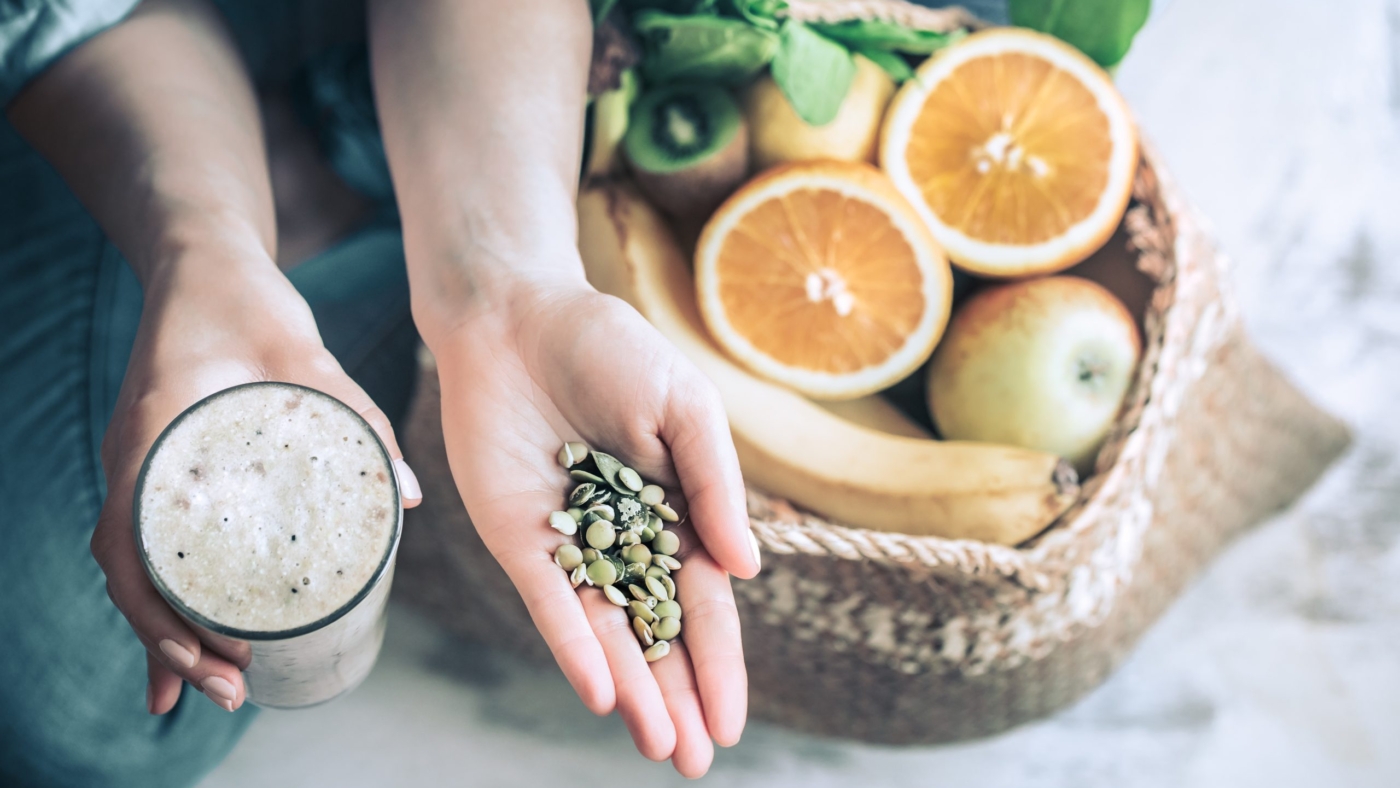
Fiber is a type of carbohydrate that is not completely broken down by the digestive system. It occurs naturally in many plant foods and is associated with several aspects of digestive and metabolic health.
Vegetables, fruits, legumes, whole grains, nuts, and seeds can all contribute dietary fiber. Different foods contain different types and amounts, making variety useful when trying to increase intake.
One reason fiber is relevant to weight management is its relationship with fullness. Many high-fiber foods require more chewing and can add volume to meals without providing the same energy density as many highly processed foods. Fiber also interacts with digestion in ways that can influence how quickly food moves through the digestive tract.
For example, a bowl containing oats, berries, and seeds can provide a combination of fiber, carbohydrates, fats, and other nutrients. Similarly, a meal based on beans, vegetables, and whole grains can be both substantial and nutrient-rich.
Increasing fiber gradually may be more comfortable than making a sudden dramatic change. A rapid increase, especially when fluid intake is low, can cause digestive discomfort for some people. Drinking enough fluids and introducing higher-fiber foods progressively can help the digestive system adapt.
Whole fruits are another useful source of fiber. Fruit juice generally contains less fiber than the whole fruit because much of the solid structure has been removed. Eating an apple, pear, orange, or berries as whole fruit can therefore offer a different nutritional experience from drinking juice.
Legumes deserve particular attention because they combine fiber with plant-based protein. Beans, lentils, chickpeas, and peas can be incorporated into soups, salads, stews, spreads, and grain-based meals.
Not every fiber-rich food has to be eaten raw. Cooking can make many vegetables, legumes, and grains easier to consume and digest while still preserving substantial nutritional value.
Fiber is not a magic solution for weight management, but regularly including fiber-rich foods can support a dietary pattern that is more filling and nutritionally diverse. Building meals around vegetables, fruits, legumes, and whole grains is one practical way to increase fiber without relying on specialized products.