
Perimenopause is more than a countdown to menopause. It is a period of transition in which hormones fluctuate, routines may stop working the way they once did, and the body's nutritional needs can become more noticeable.
Sleep may feel less predictable. Energy can shift. Muscle becomes more important to preserve, while skin, digestion, appetite, and recovery may all seem different from one year to the next.
There is no single food or supplement that can solve all of this. But simple nutritional habits can become useful building blocks—and bone broth can be one of them.
What Changes During Perimenopause?
Hormones Become Less Predictable
Perimenopause is characterized by changing hormone patterns rather than one simple, steady decline. Estrogen and progesterone can fluctuate considerably, which helps explain why symptoms and experiences may vary from month to month.
Sleep changes, temperature fluctuations, mood shifts, changes in appetite, and differences in skin or hair can all become part of the picture.
Recovery Can Feel Different
The same stress, workouts, or busy schedules that once felt manageable may require more recovery. Sleep disruption can make this even more noticeable, creating a cycle in which rest, energy, appetite, and daily performance influence one another.
Muscle and Bone Deserve More Attention
Maintaining muscle and bone health becomes increasingly important through midlife. Nutrition, resistance exercise, adequate protein, and regular movement all have a role in supporting the body through this transition.
Perimenopause can therefore be a useful time to strengthen everyday habits rather than waiting until after menopause to rethink them.
Where Bone Broth Fits
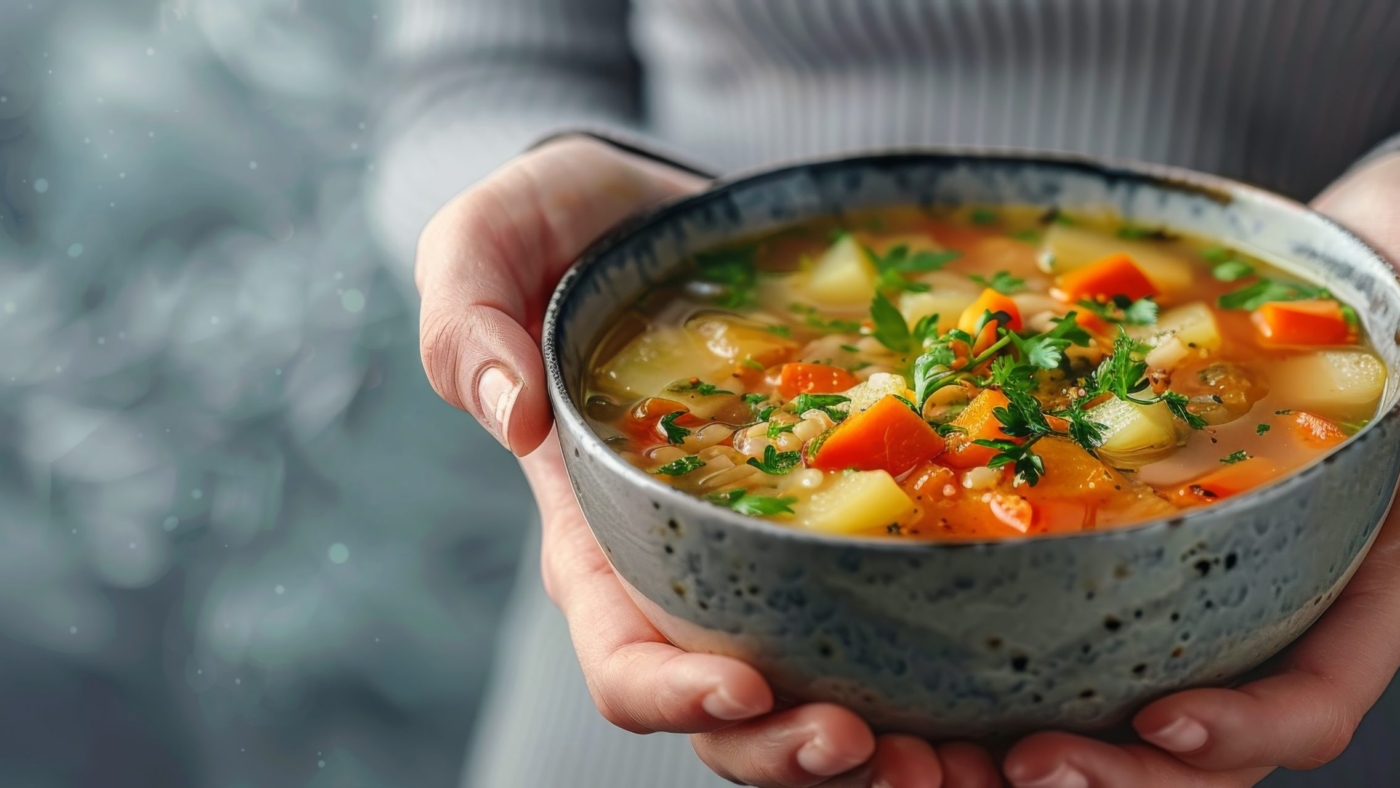
Bone broth is not a treatment for perimenopause. Its value is more practical: it can provide fluid, protein, and amino acids in a convenient form that fits easily into a daily routine.
A Simple Source of Protein
Protein becomes an increasingly important part of a balanced midlife diet, particularly when the goal is to maintain muscle.
Bone broth can contribute to daily protein intake, although it works best as part of a larger pattern that includes protein-rich meals throughout the day.
A Warm, Satisfying Ritual
Sometimes the most useful nutritional habit is the one that is easy to repeat.
A warm cup of broth can offer a savory alternative to another snack or drink, making it a simple addition to mornings, afternoons, or evenings.
Collagen and Connective Tissue Support
Bone broth contains amino acids associated with collagen and connective-tissue structure. Collagen production also changes with age, making overall protein and nutrient intake increasingly relevant to skin, joints, and other connective tissues.
Rather than relying on one source, think of bone broth as one small piece of a varied nutritional picture.
A Gentle Addition to the Daily Routine
Digestive experiences can also change during midlife. Some people find warm, simple foods easier to incorporate when appetite, meal timing, or digestion feels different.
Bone broth can fit naturally into this kind of routine without requiring a major change to the way you eat.
Building a Perimenopause-Friendly Rhythm
There is no universal schedule that every woman needs to follow.
For some, broth works well as a morning ritual. For others, an evening cup becomes a comforting part of winding down. It can also be used occasionally when a light, savory option feels more appealing than a full meal.
The important part is not the exact number of cups. It is creating a nutritional routine that complements the rest of your diet rather than trying to make one food carry the entire burden.
The Bigger Perimenopause Framework
Bone broth works best within a much broader approach.
Prioritize Protein
Include meaningful protein sources throughout the day rather than relying on one meal to provide most of your intake.
Keep Moving
Resistance training and regular movement can support muscle, mobility, and bone health while also helping maintain an active routine through midlife.
Protect Sleep
Perimenopause can make consistent sleep more difficult, which makes sleep habits worth protecting even more. A regular evening routine, a comfortable sleep environment, and realistic expectations around rest can all help.
Make Room for Recovery
Stress management is not simply about relaxation. It is also about giving the body enough time to recover from work, exercise, poor sleep, and everyday demands.
Build Meals Around Variety
Protein, vegetables, fruits, whole grains or other carbohydrate sources, healthy fats, and adequate fluids all contribute something different. A varied diet is more useful than building an entire nutritional strategy around one ingredient.
What Bone Broth Can—and Cannot—Do
Bone broth can be a convenient nutritional addition, but it should not be positioned as a solution for the hormonal changes of perimenopause.
It cannot stop hormonal fluctuations, replace medical treatment when treatment is appropriate, or address every symptom through nutrition alone.
Think of it as a supporting habit—not the centerpiece of the entire strategy.
When a Bigger Conversation Is Needed
Perimenopause looks different from person to person. Some changes may be manageable with lifestyle adjustments, while others can significantly affect sleep, work, relationships, or quality of life.
Persistent or severe symptoms deserve a conversation with a qualified healthcare professional. This can help distinguish expected transitional changes from issues that may need additional evaluation or support.
A More Practical Way to Approach Perimenopause
The goal is not to create an enormous list of rules for a life stage that already comes with enough unpredictability.
Instead, build a few dependable habits.
Eat enough protein. Move regularly. Support your sleep. Stay hydrated. Choose a varied diet. Make room for recovery. And use convenient foods—such as bone broth—where they genuinely make the routine easier to maintain.
Perimenopause does not require a perfect nutritional plan. It calls for a flexible one that can adapt as your body changes.
The Bigger Picture
Bone broth can be part of that picture: warm, simple, versatile, and easy to incorporate into everyday meals and routines.
But the real foundation is broader than any single food.
The most useful approach to perimenopause is one that supports the whole person—nutrition, movement, sleep, recovery, and appropriate professional care—while leaving enough flexibility for real life.